18 July–15 August 2026
Bendigo
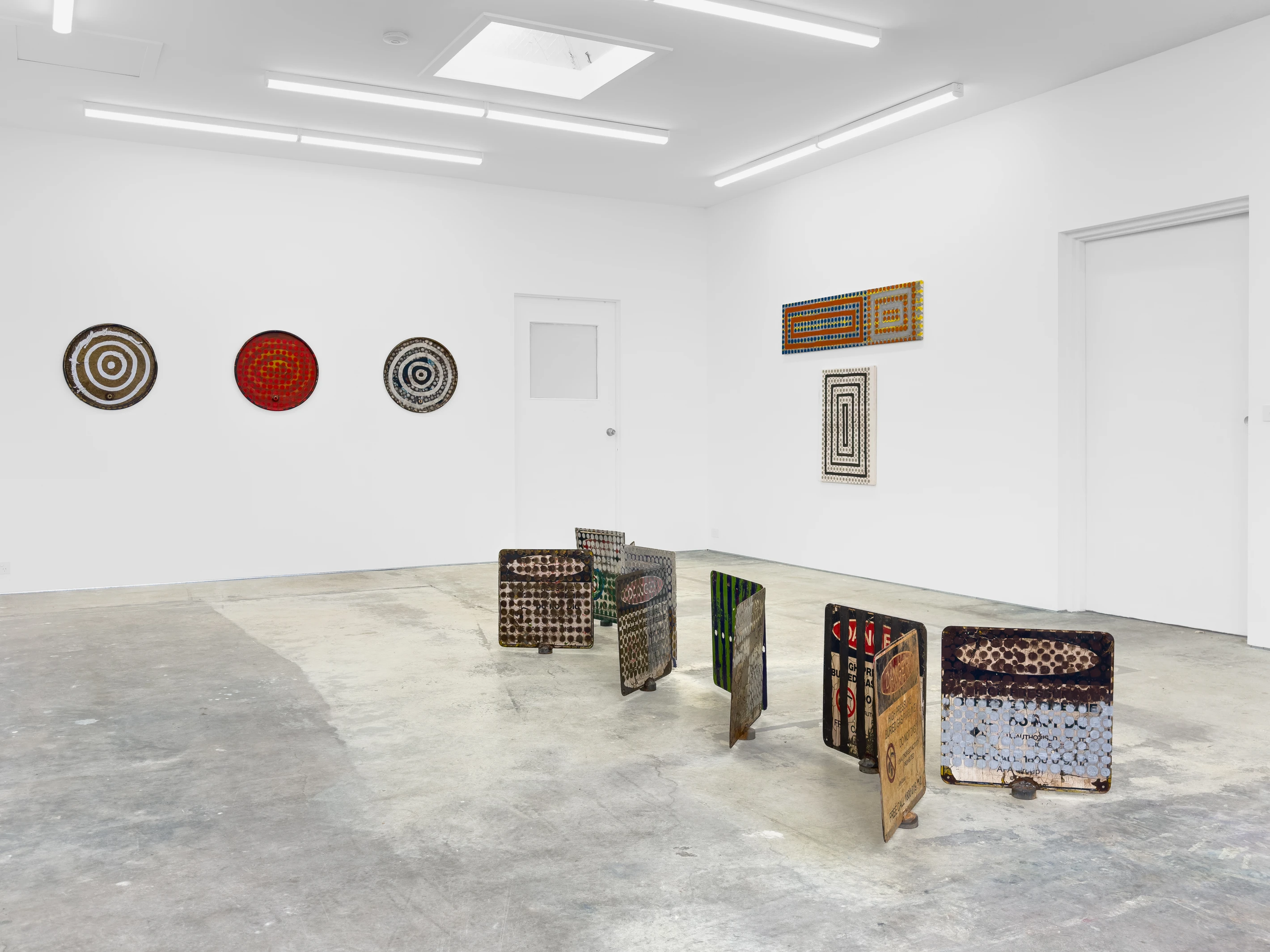
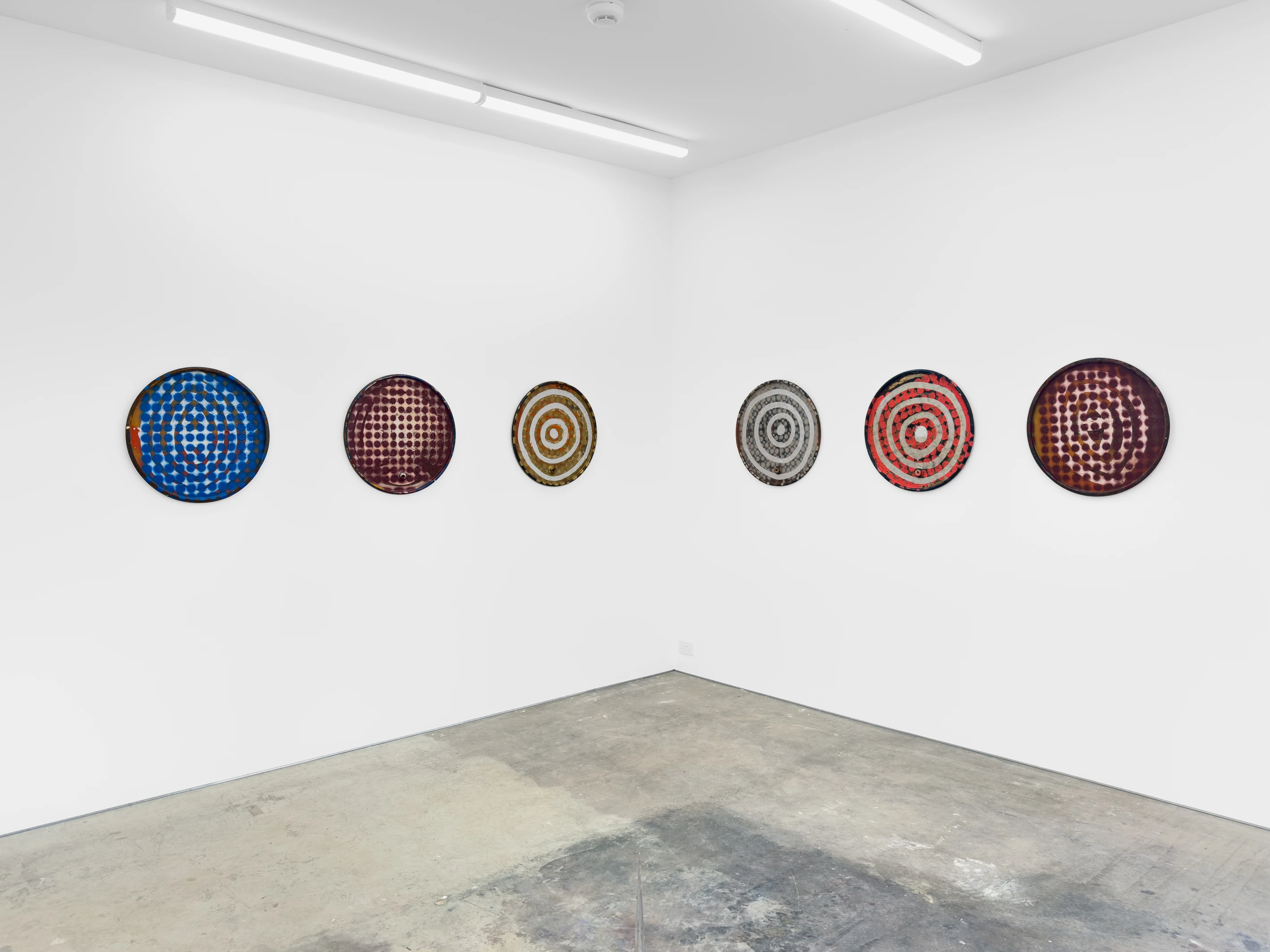
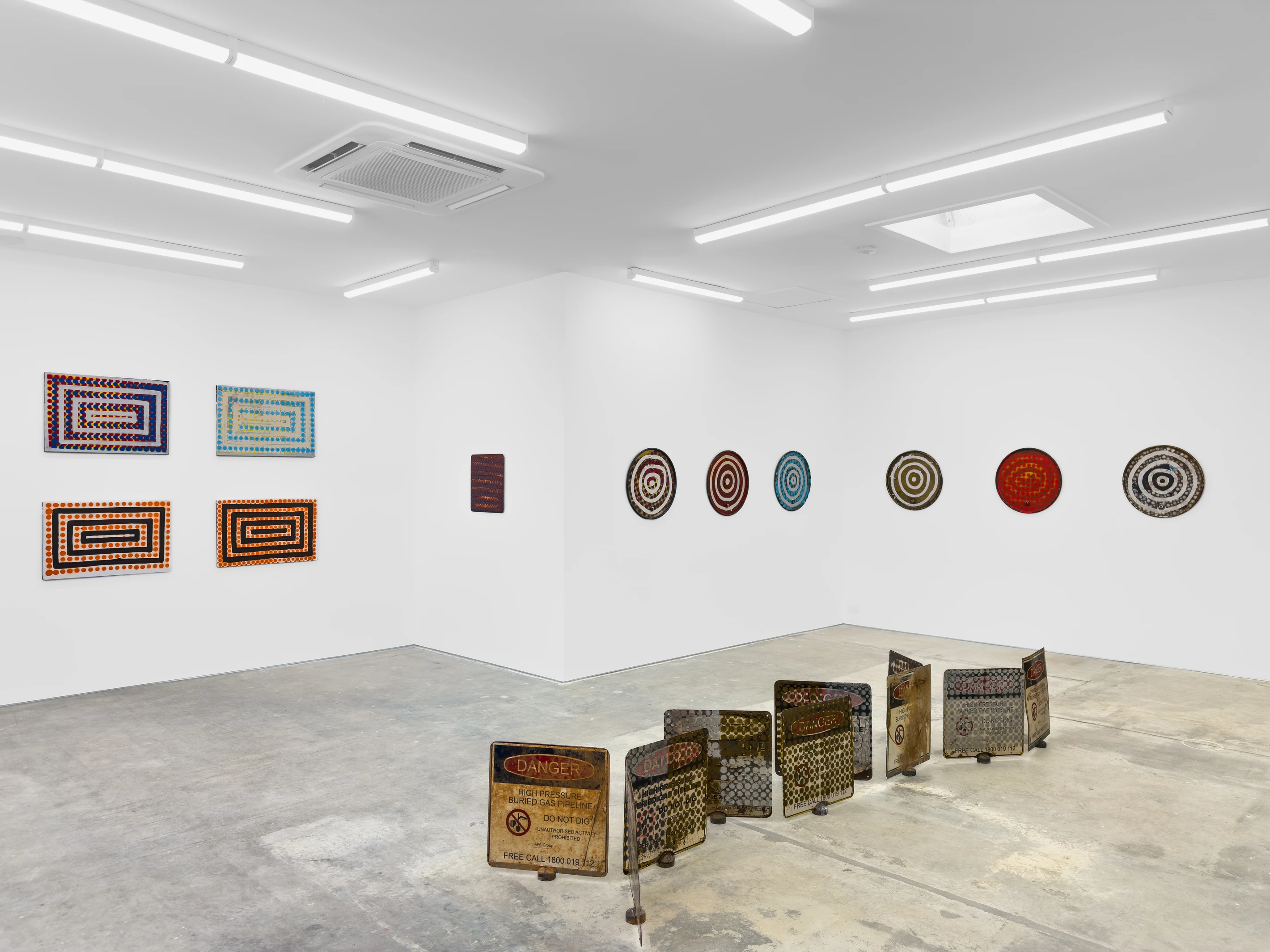
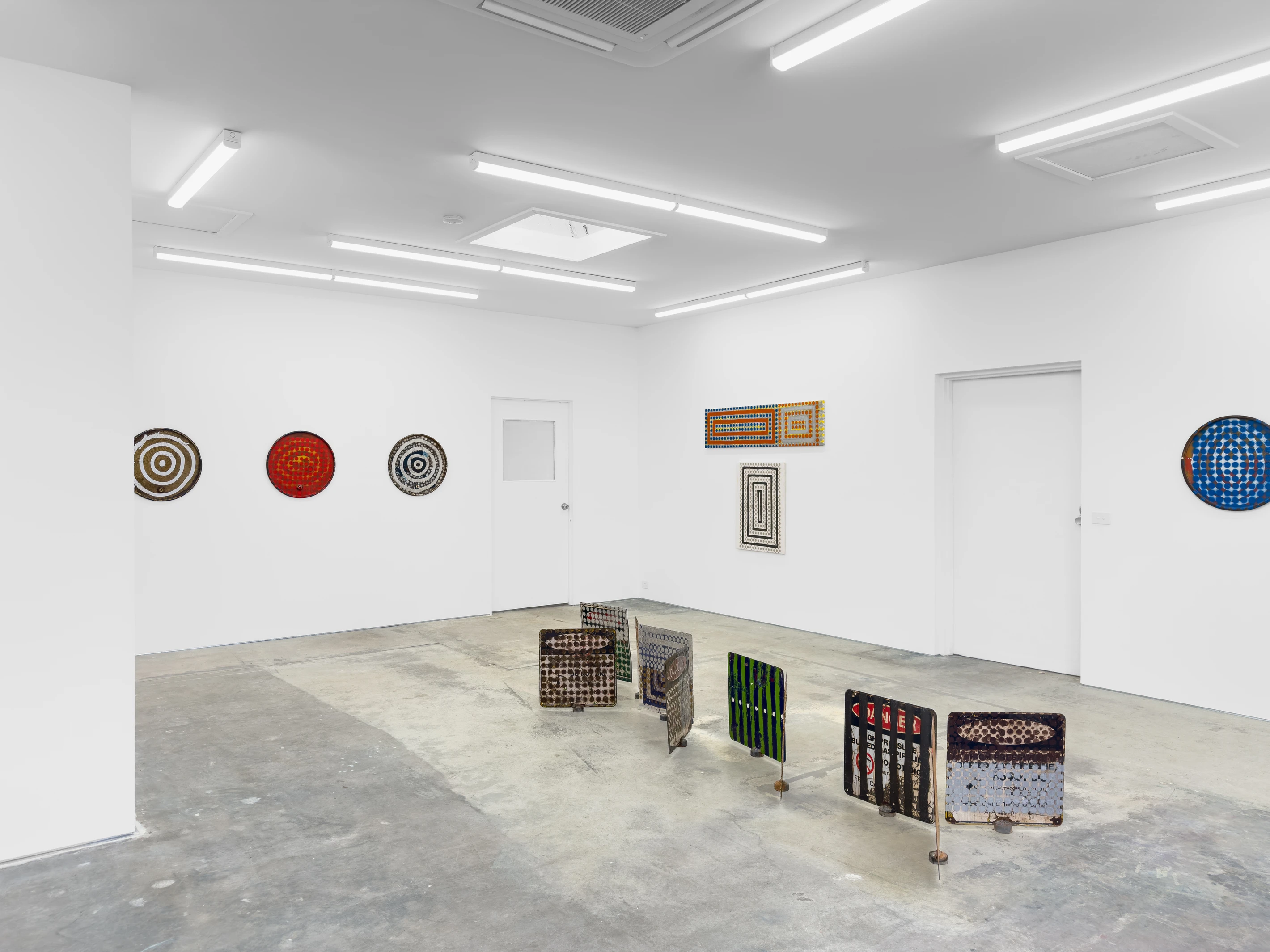
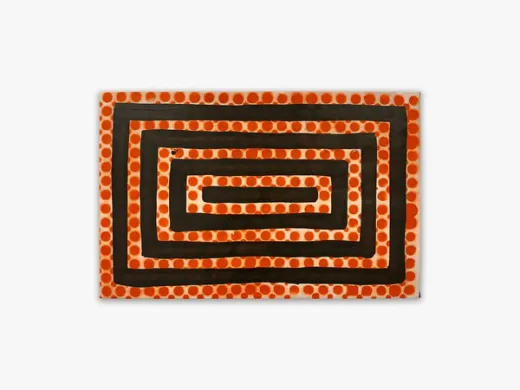
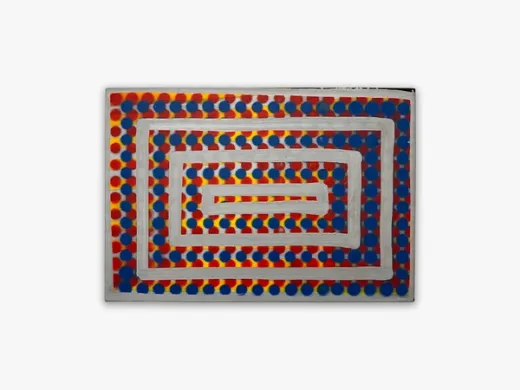
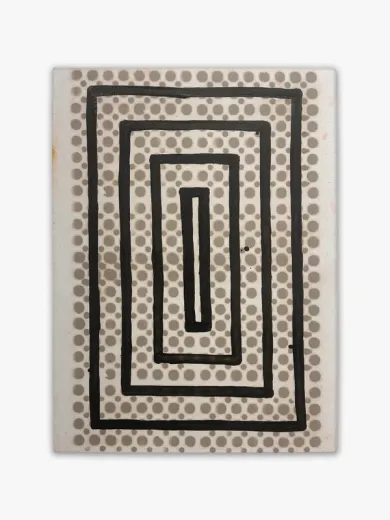
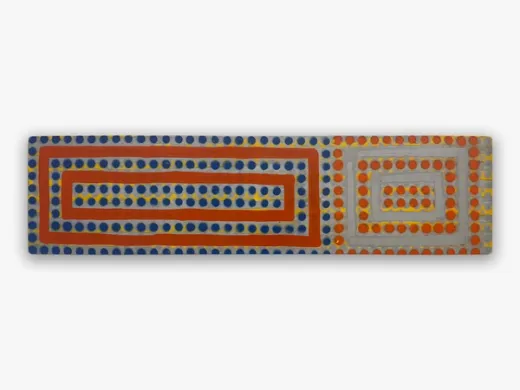
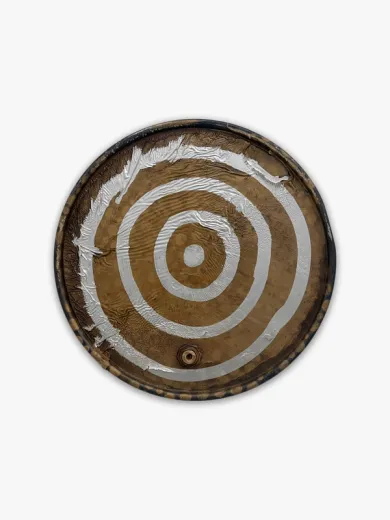
The Rooster King II
In partnership with Nyinkka Nyunyu Art Centre, Tennant Creek.
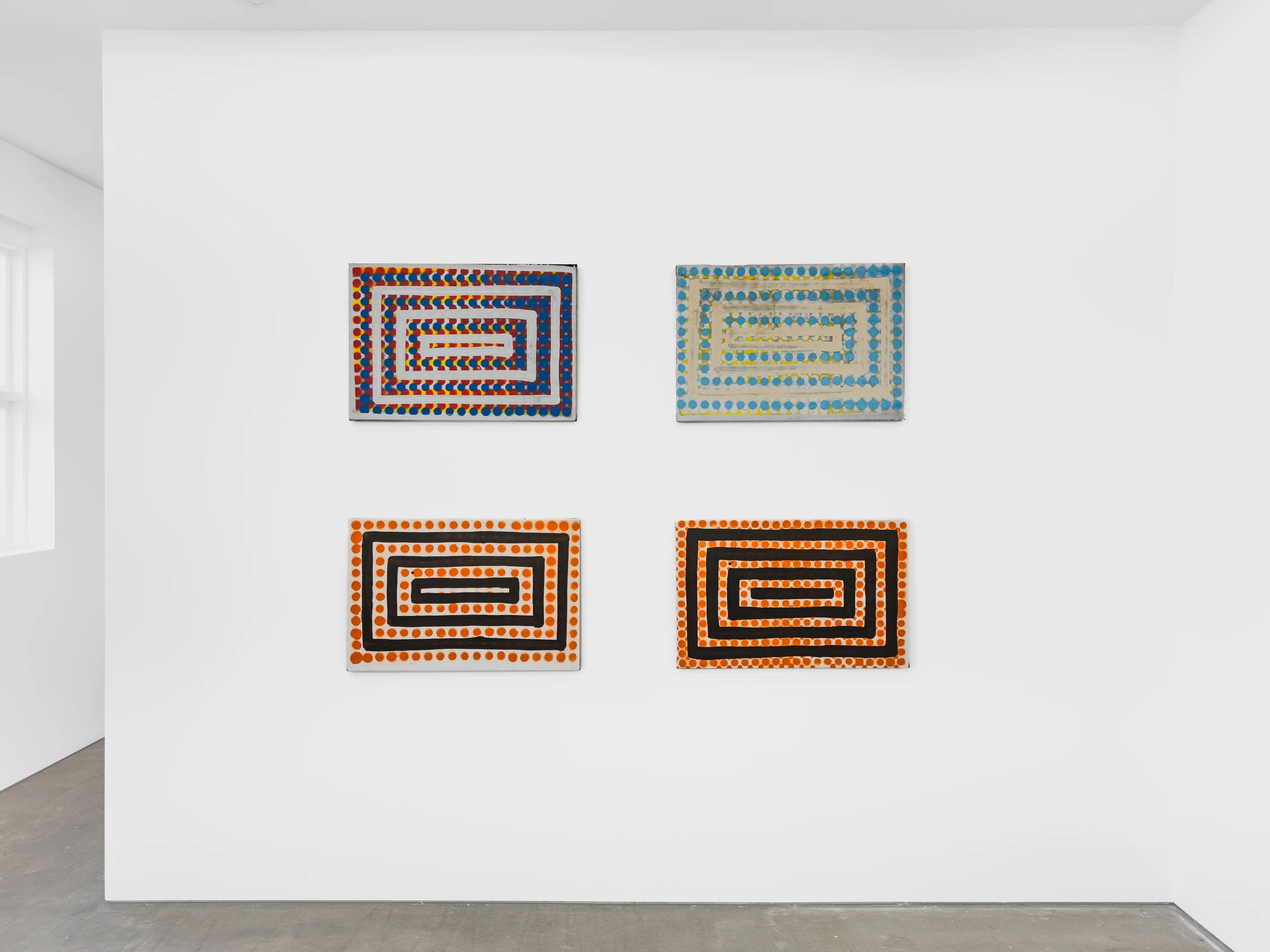
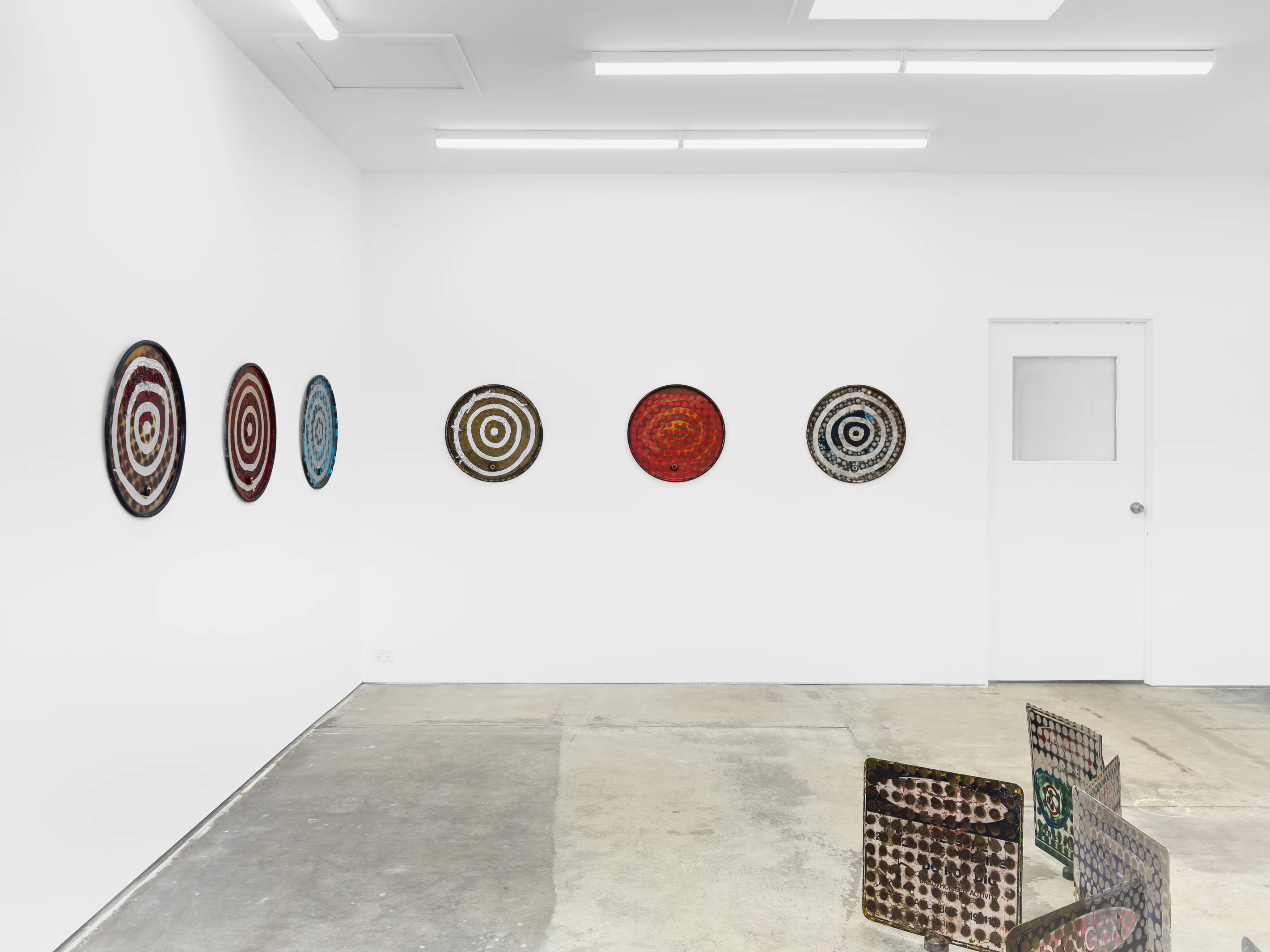
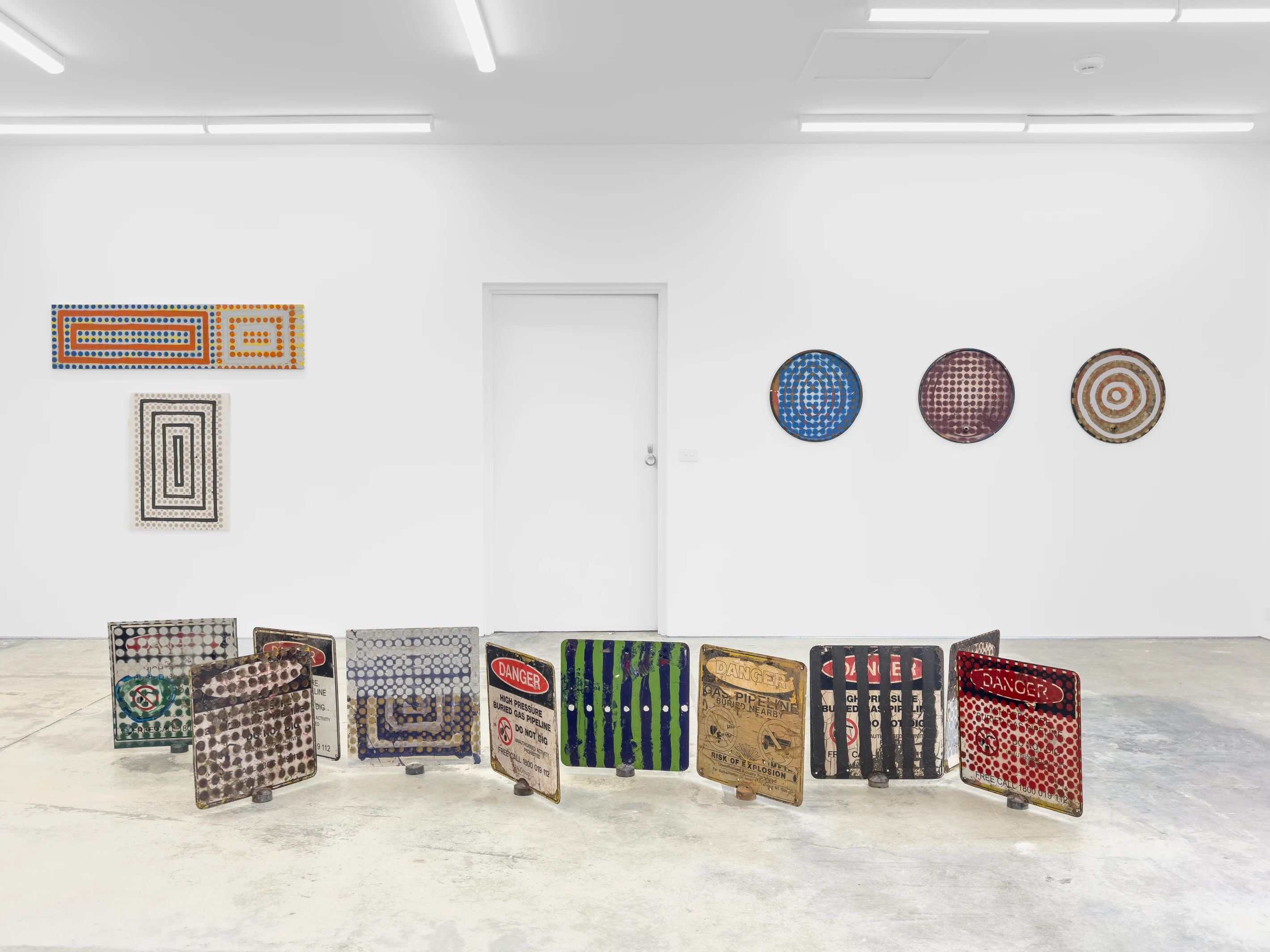
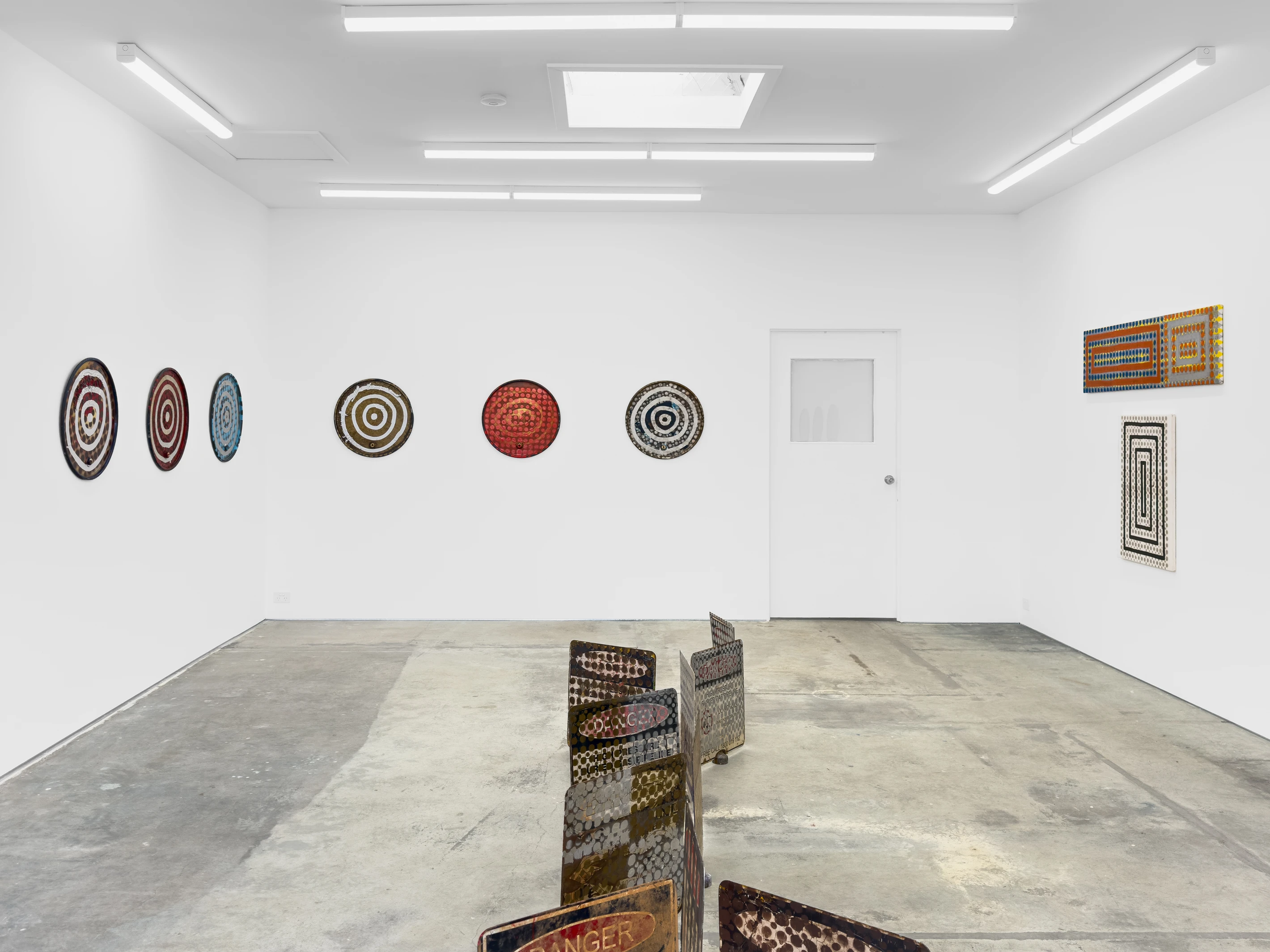
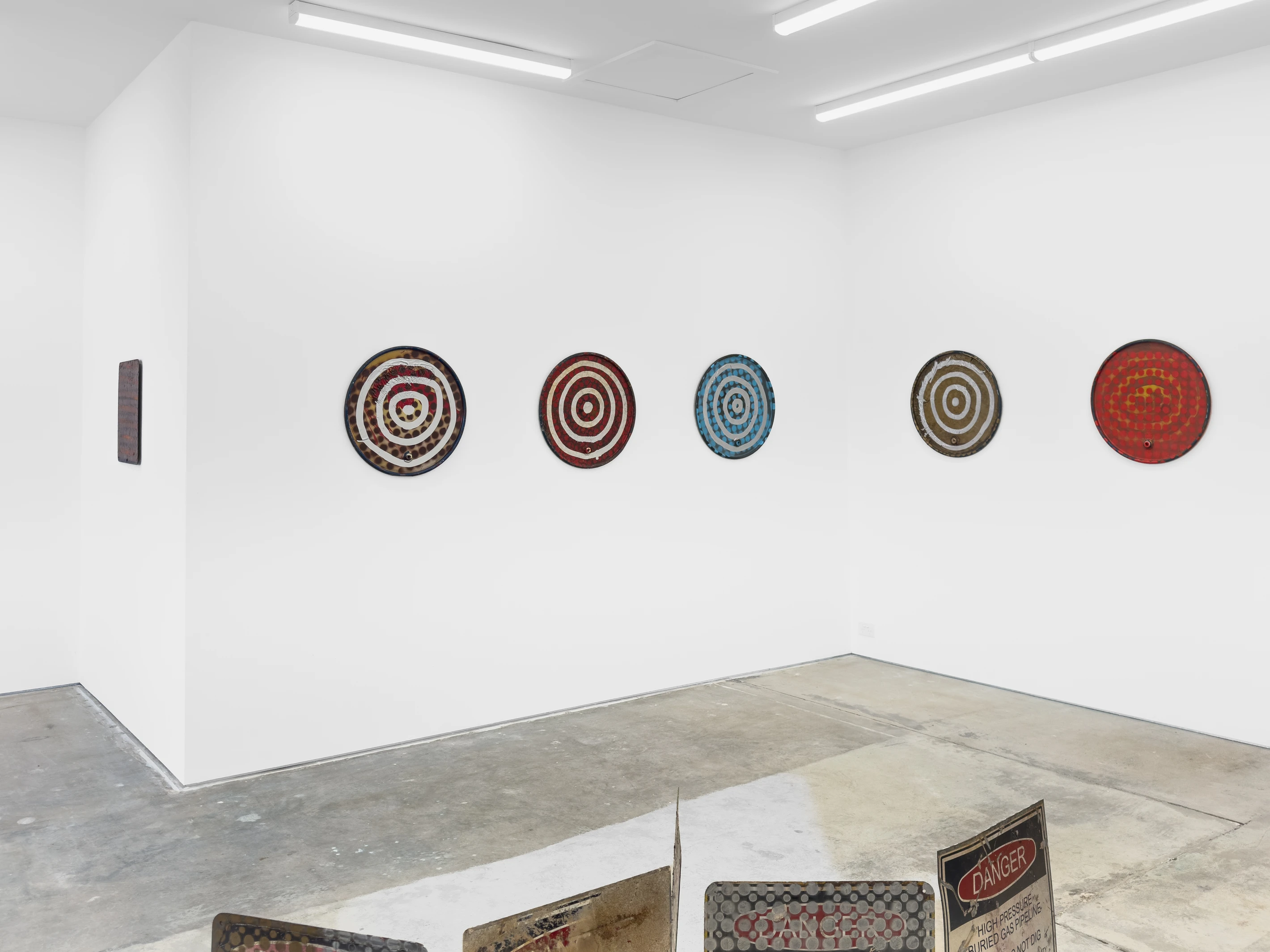
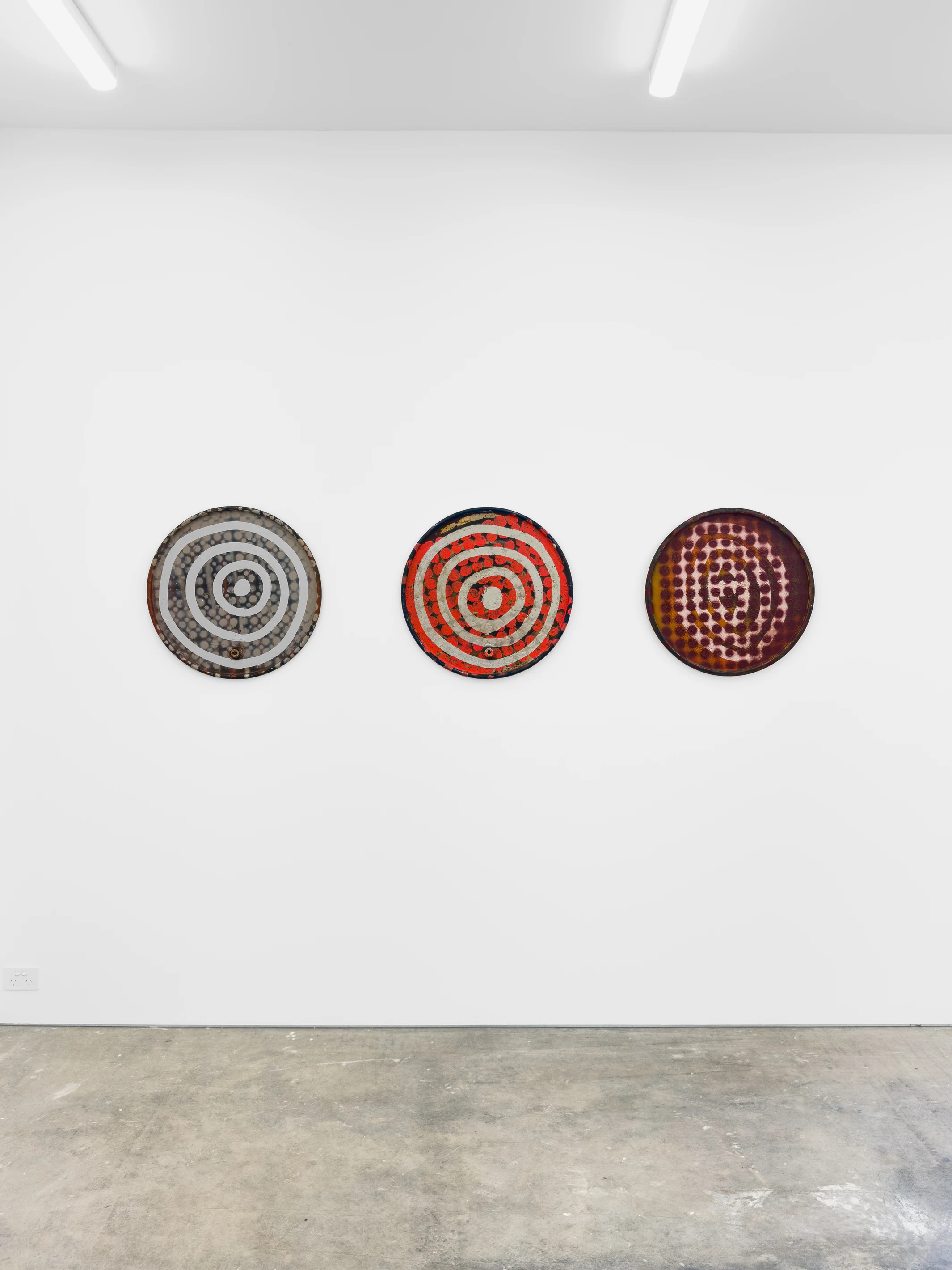
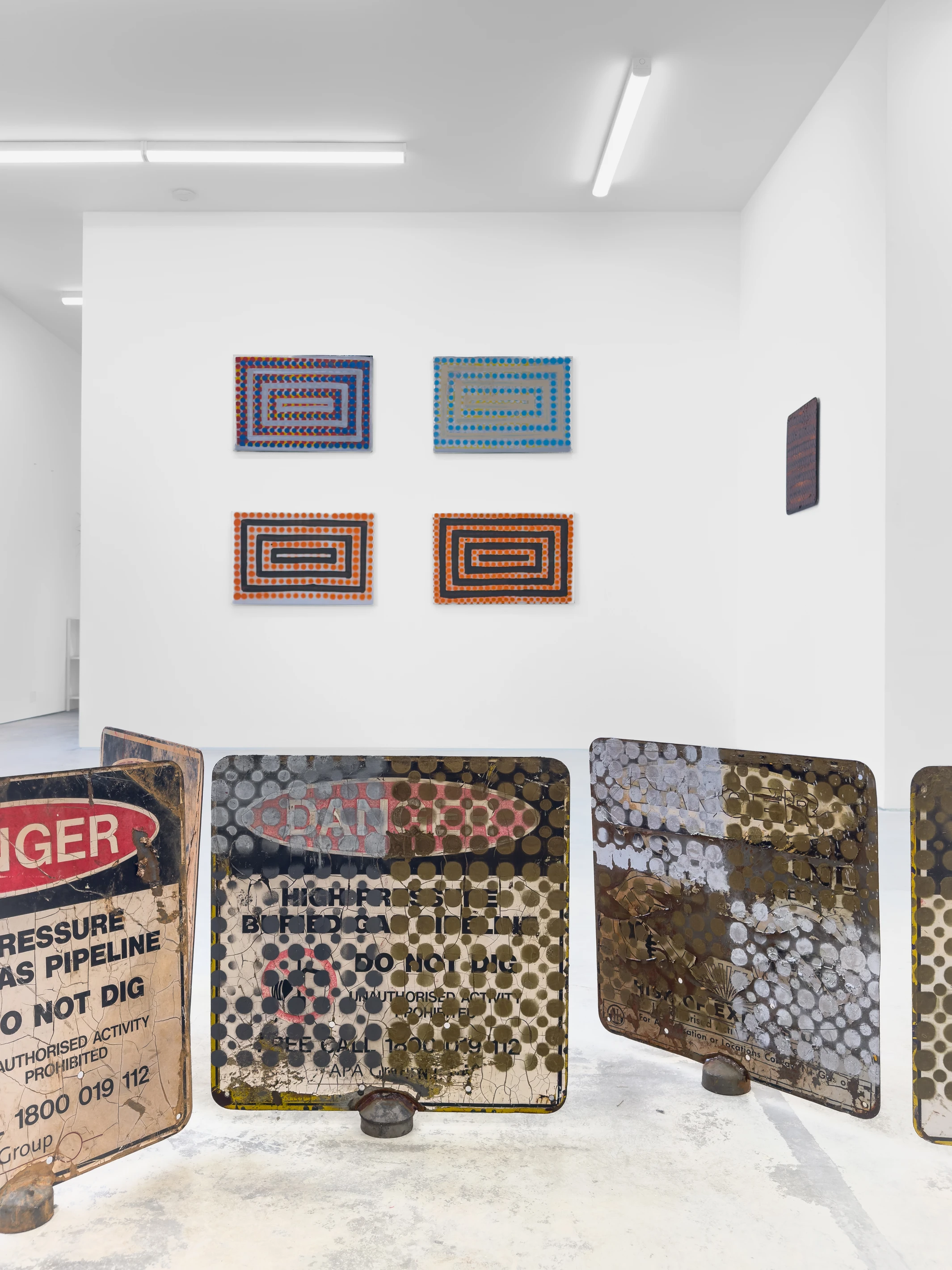
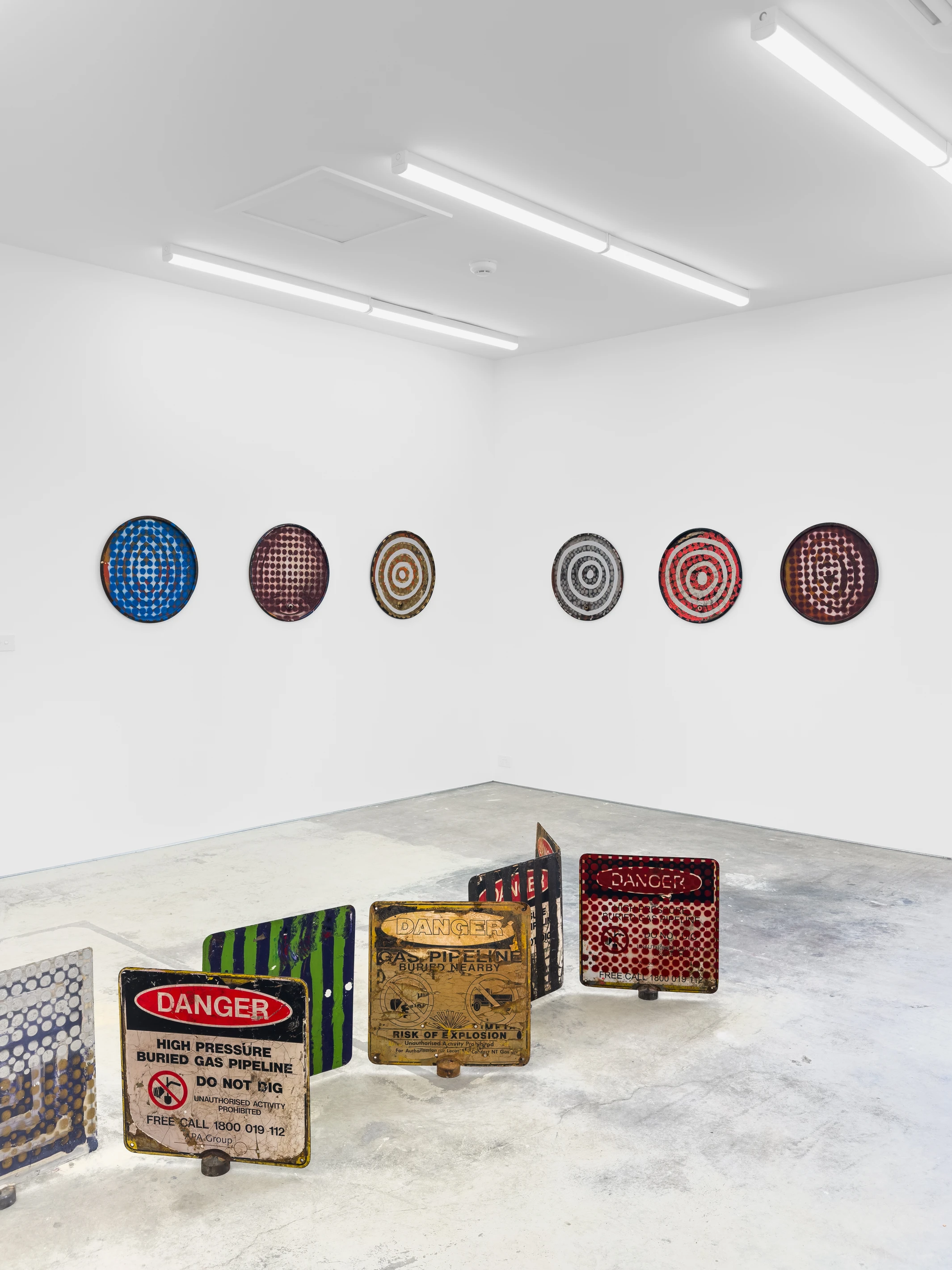
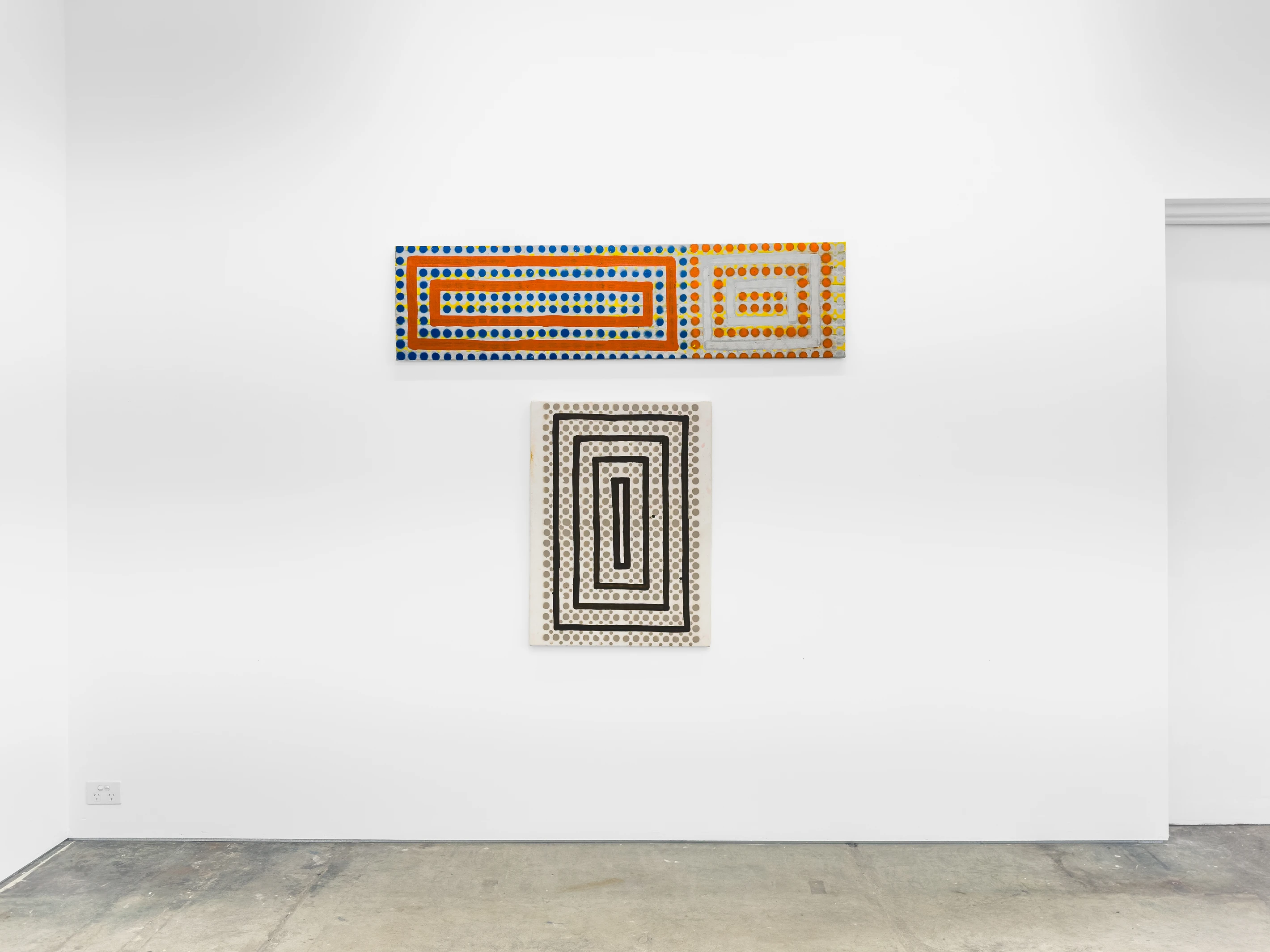
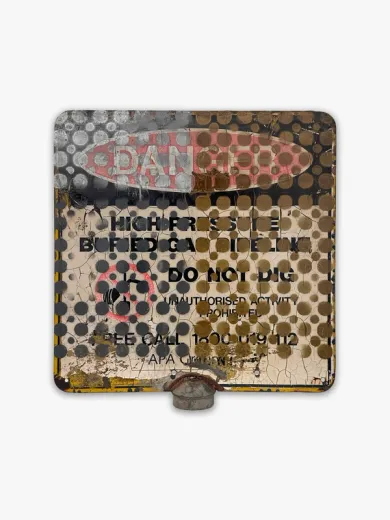
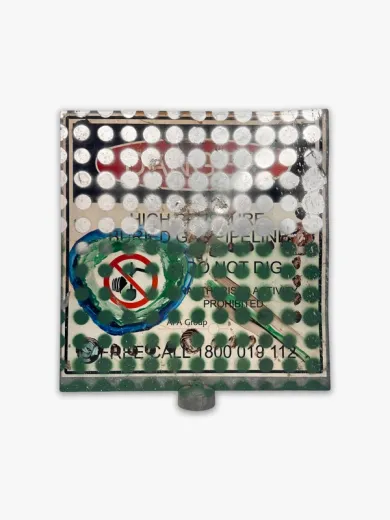
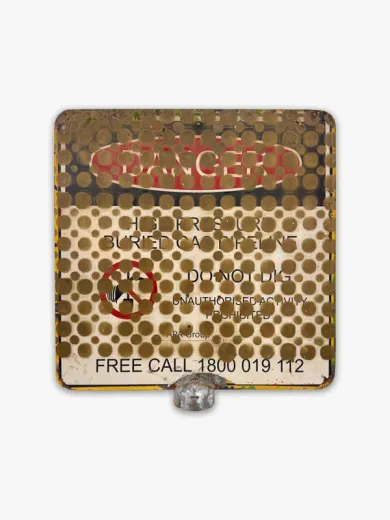
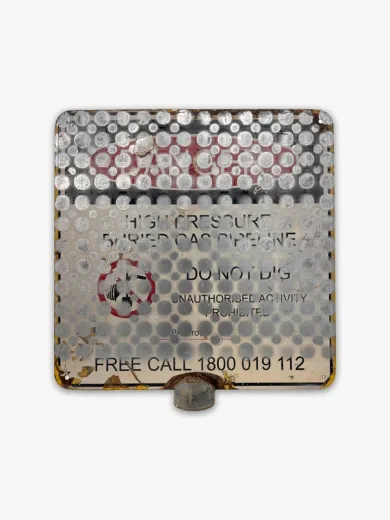
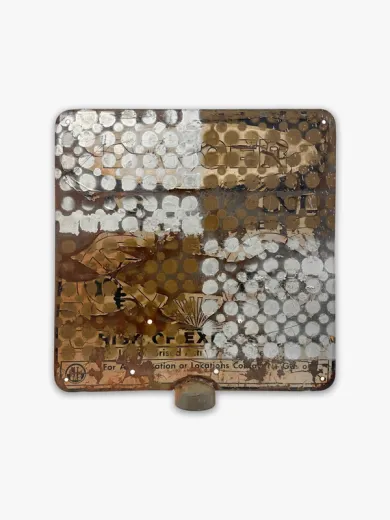
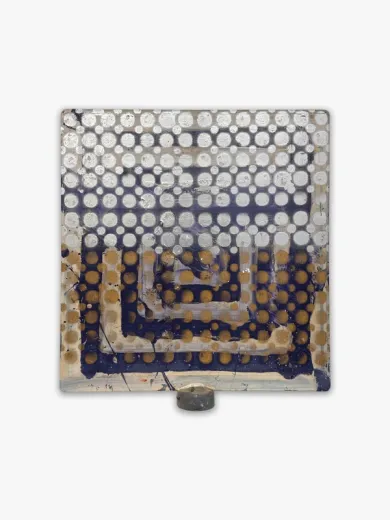
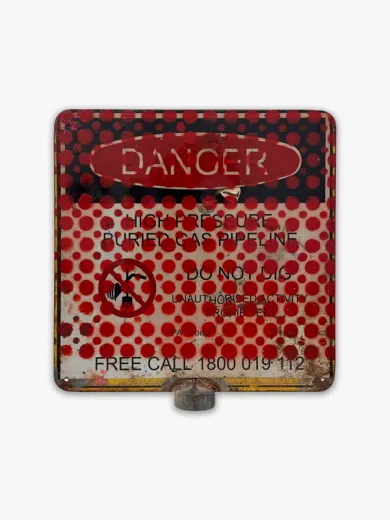
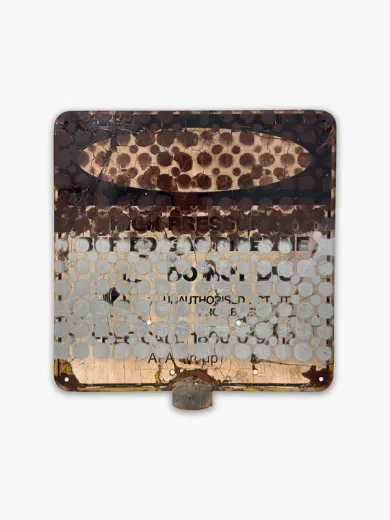
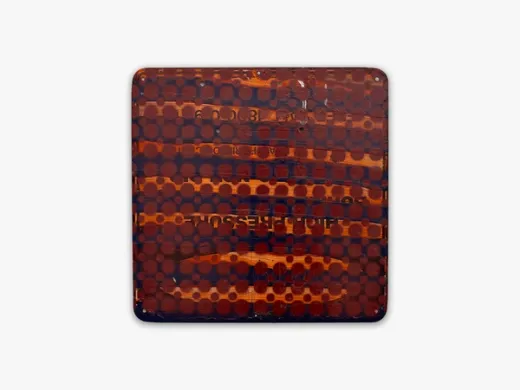
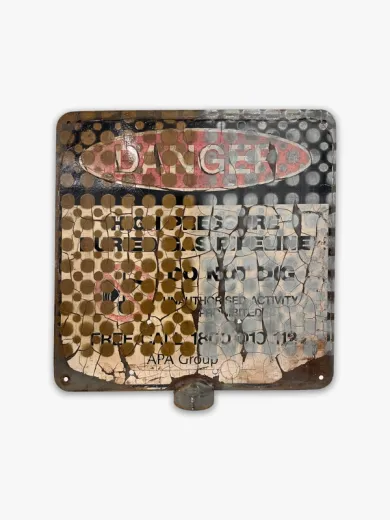
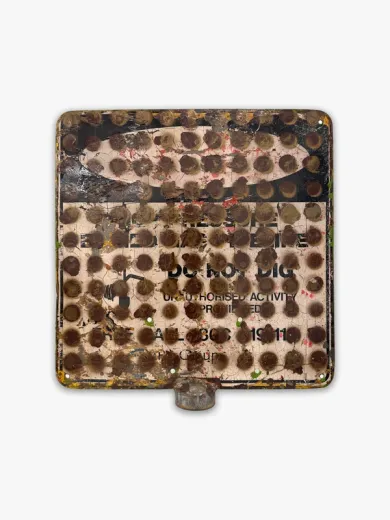
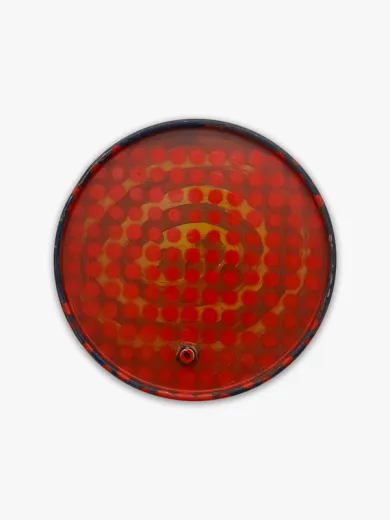
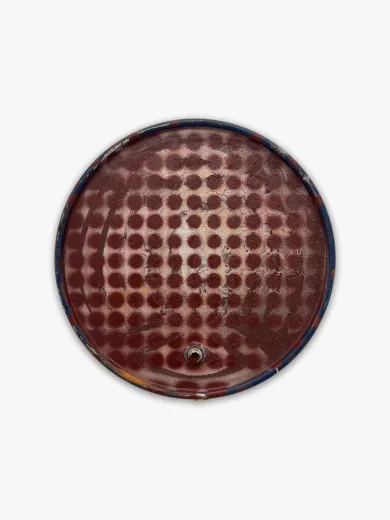
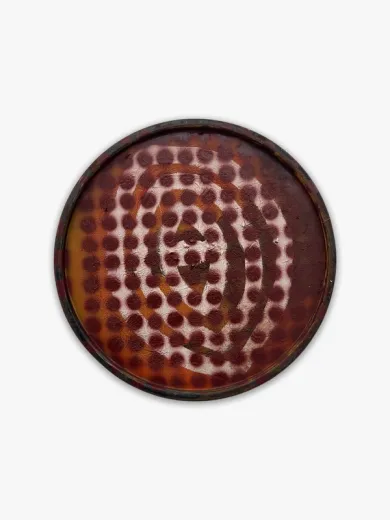
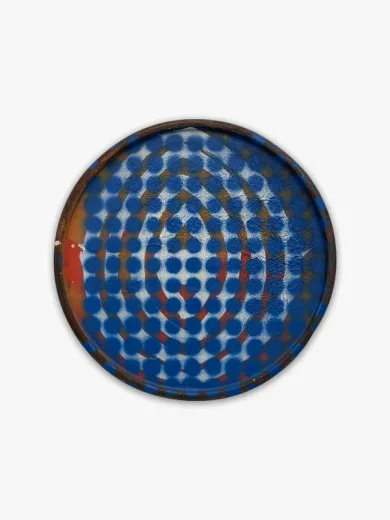
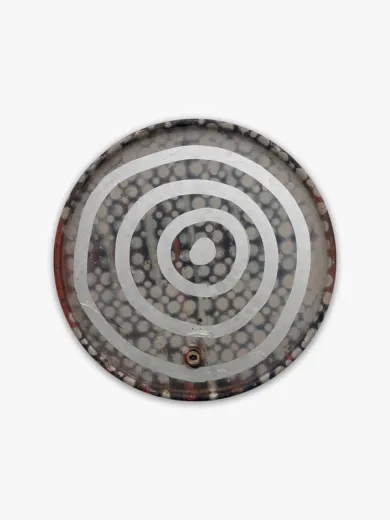
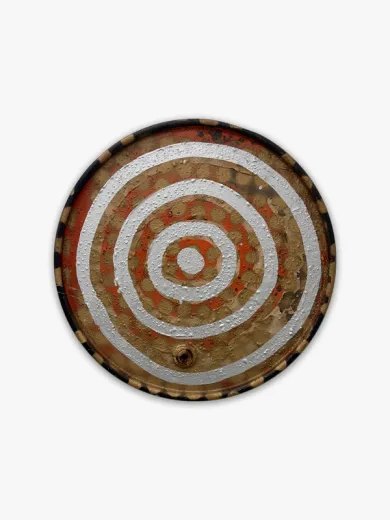
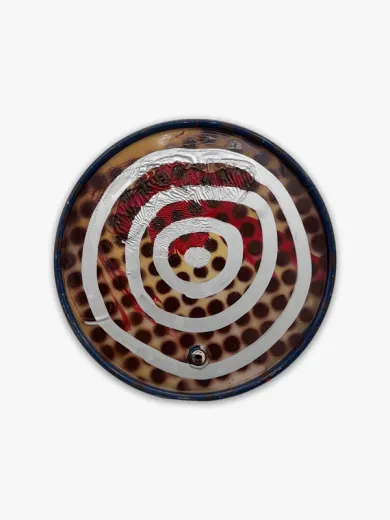
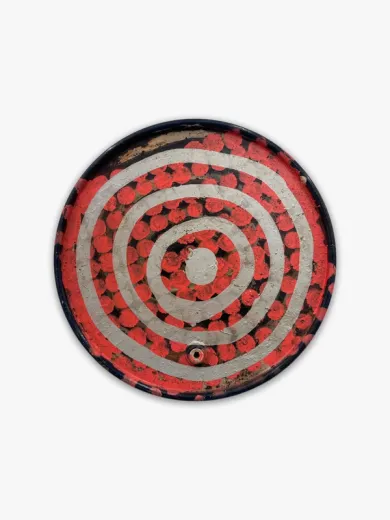
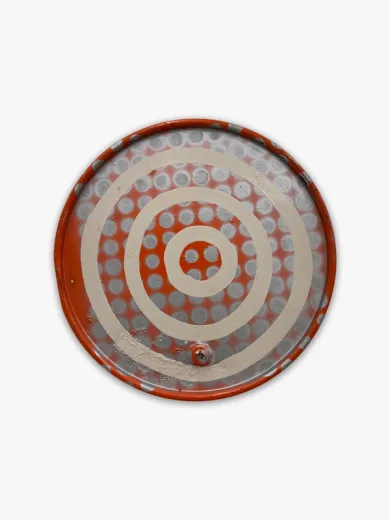
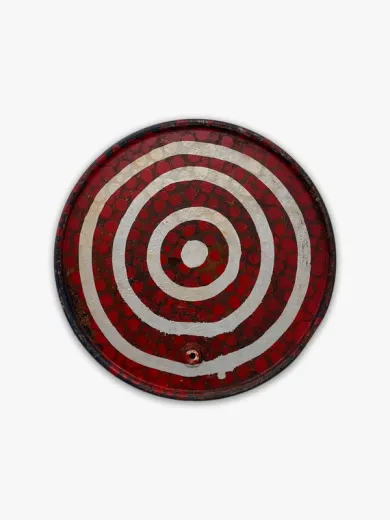
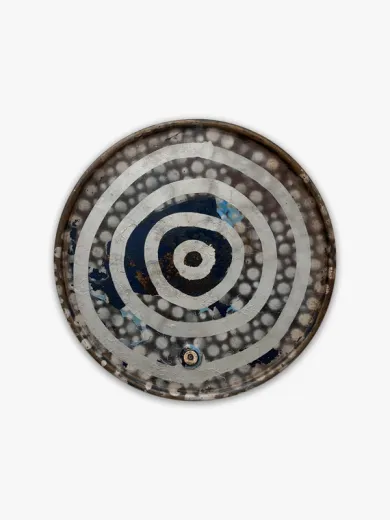
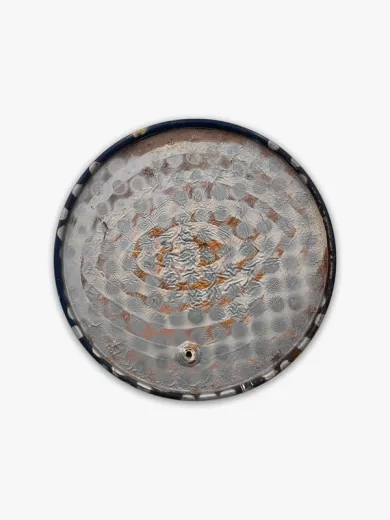
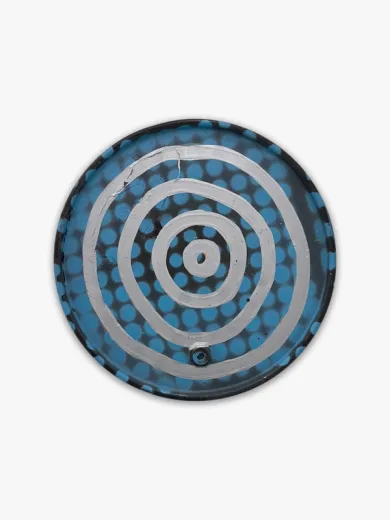
Clifford Thompson speaks plainly about his work. He opposes mining and fracking, and his paintings leave little doubt as to why. Petroleum drum lids, discarded pipeline signs and other industrial remnants gathered from Country become the supports upon which he paints. They are not arbitrary found objects, but the physical traces of extraction: materials left behind after Country has been cut, mined and traversed. In a 2026 interview conducted by Nyinkka Nyunyu studio co-ordinator Rachel Dixon in Tennant Creek, Thompson explains that each drum lid represents a different mining area, while the newly introduced spray-painted dots identify individual "spots" across the landscape. Pointing to them one by one, he remarks simply, "That's one spot… that's another spot. They're mining one spot, another spot."
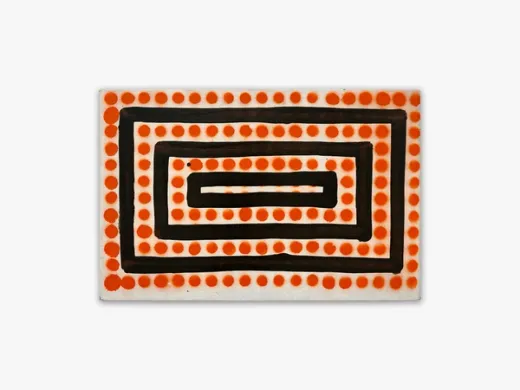
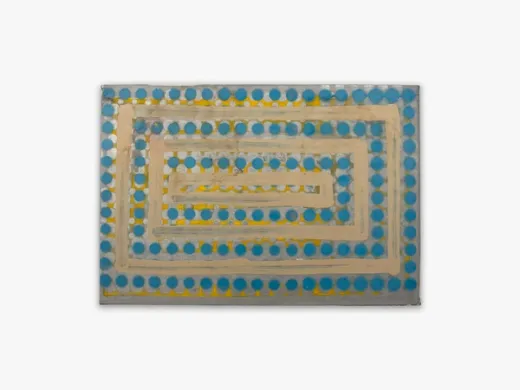
Writing on Thompson's earlier exhibition, independent curator (and co-curator of landmark survey Tennant Creek Brio: juparnta ngattu minjinypaiconocrisis, ACCA, Melbourne, 2024) Max Delany observed that the artist's repeated application of enamel paint forms "a patient, persistent imperative." The same quality characterises The Rooster King II. Repeated striated lines unfold slowly across drum lids, weathered pipeline signs and canvas. Concentric circles and geometric forms settle over industrial surfaces without erasing them. The NO ENTRY signs remain recognisably themselves, their original function only partially obscured as painted lines work with, rather than against, their form. The objects are not transformed into something else. They remain what they are while becoming something more.
This distinction feels significant. Helen Hughes, writer, publisher and curator, and deputy head of the Department of Fine Art, Monash University, Melbourne once described the Tennant Creek Brio as "garbologists", examining colonial culture through "what it throws away." Thompson's work seems to extend that observation. The discarded objects are not redeemed because they are beautiful, nor simply reclaimed as acts of resistance. Instead, they are treated as things that now exist in relationship to Country. They cannot simply be wished away. In this sense, the work quietly suggests that destruction is not only a process of loss. It also creates new realities that must be lived with.
The exhibition's title similarly looks both backwards and forwards. Thompson explains that the Brio once referred to themselves as King of the Roosters, while The Rooster King simply "means to be recognised." The shift is subtle but telling. Recognition here seems less concerned with status than with acknowledgement - of people, of Country, of histories, and perhaps also of the responsibilities that remain after damage has already occurred.
For all its political force, The Rooster King II is remarkably restrained. Thompson has said that he prefers painting alone because it allows him to think more clearly. Something of that quiet concentration is present throughout the exhibition. Rather than dramatic gestures, the works accumulate patiently through repeated marks and careful attention. They neither deny the violence of extraction nor allow it to become the final word. Instead, they insist that what remains - objects, places, memories and relationnships - continues to matter.
Artist Biography
Born 1980, Warumungu Country/Tennant Creek, Northern Territory Lives and works on Warumungu Country, Tennant Creek, Northern Territory Skin: Japaljarri; Language: Kaytetye
Clifford Thompson was brought up in Ali Curang. His mother’s country is Karlu Karlu (Devil’s Marbles) and his father’s country is Jarrah Jarrah, he belongs to the Kaytetye language group. Thompson has been a member of The Tennant Creek Brio since 2016 and has exhibited in Alice Springs and Darwin as well as participating in the 2020 Sydney Biennale, and more recently in the landmark survey exhibition Tennant Creek Brio: juparnta ngattuminjinypa iconocrisis, Australian Centre for Contemporary Art, Melbourne, 2024